






Dark or Ghost?
Dark predators usually keep a complete weight-bearing body; Ghost silhouettes more often trail, float, or split into disconnected parts.
Current classifications · Generations 1–9
Practice Dark-type silhouettes spanning nocturnal predators, tricksters, armored reptiles, ghosts, dragons, and legendary beasts. Because color is unavailable, rely on posture, jaws, claws, horns, and exaggerated outer contours.
Play here · 69 Pokémon pool
One focused question at a time. Correct answers join the same browser Pokédex used by the complete game.
Caught here: 0/69
Twelve shapes from this pool
Try to identify these Dark-type Pokémon before opening the focused quiz. Names stay hidden here.
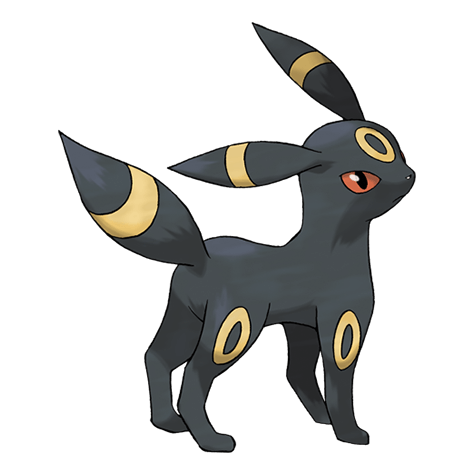
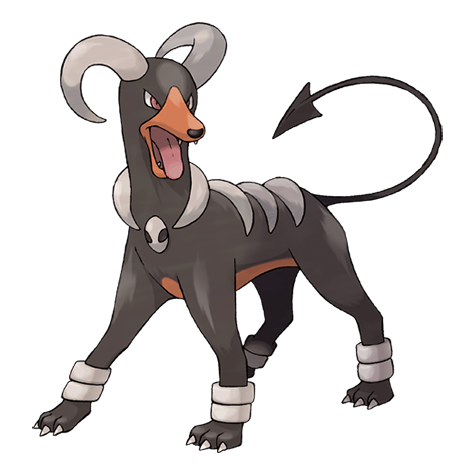
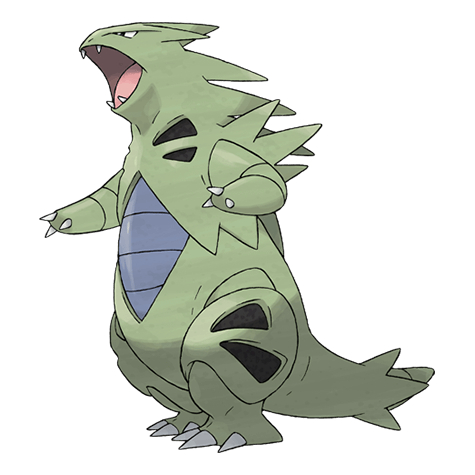
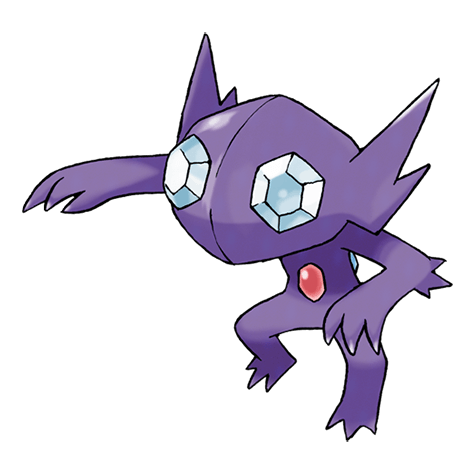
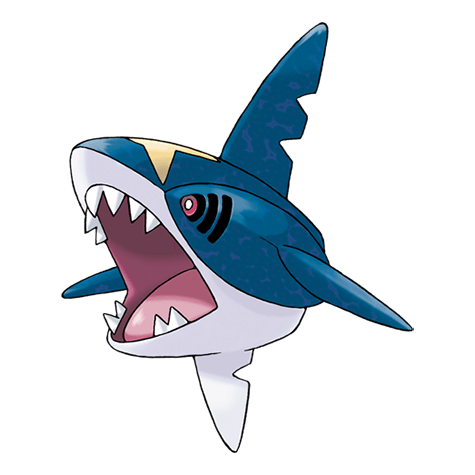
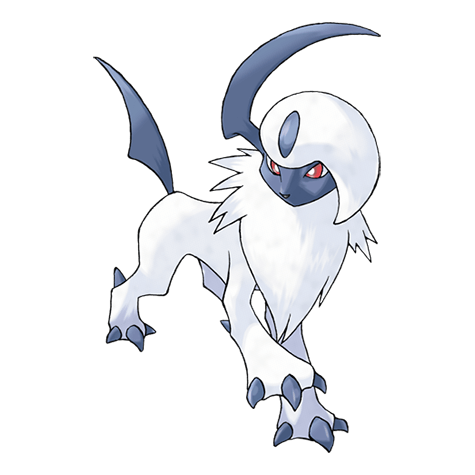
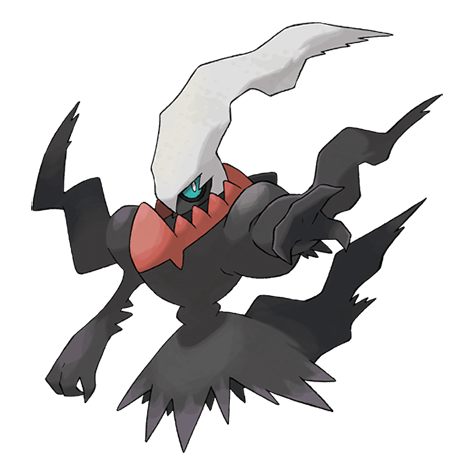
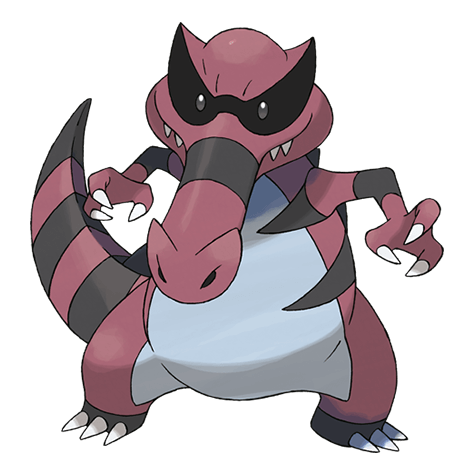
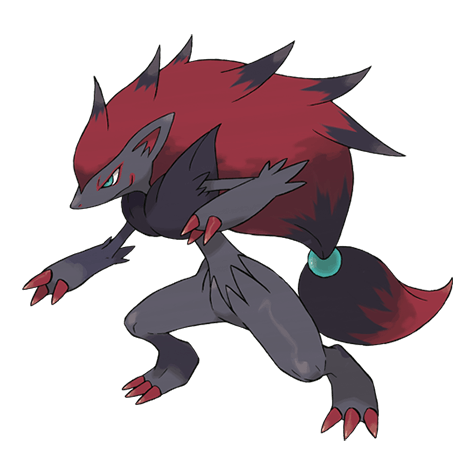
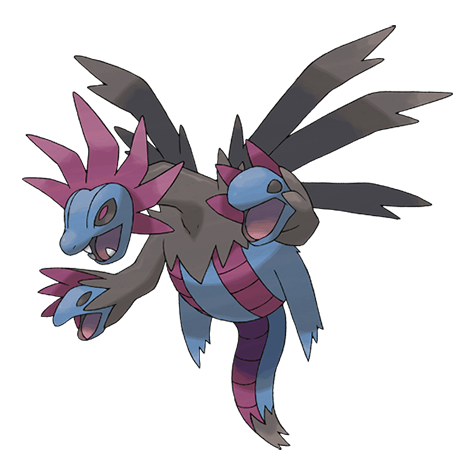
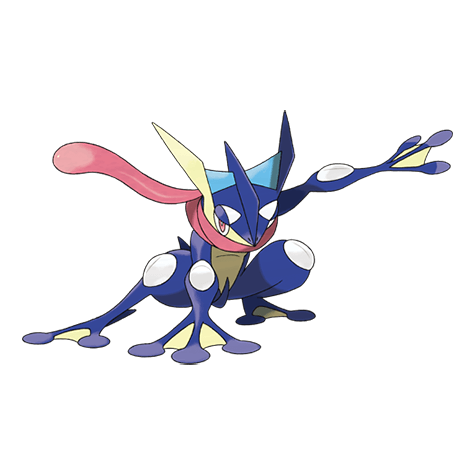
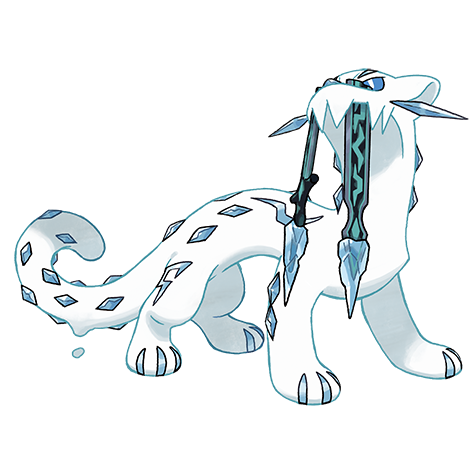
Sort the silhouette into quadruped predator, upright trickster, winged creature, serpentine beast, or shadow-like form. Then use the secondary type to explain armor, fins, wings, or plant growth.
These counts use each Pokémon’s current classification and include both primary and secondary positions.
Dark predators usually keep a complete weight-bearing body; Ghost silhouettes more often trail, float, or split into disconnected parts.
Canines show longer muzzles and straighter legs, while feline forms use rounder heads, curved backs, and sweeping tails.
Dark tricksters emphasize masks, capes, hair, or concealed hands, while Fighting designs reveal a balanced athletic stance.
Use the distribution to choose a smaller era to study next. Counts refer to the generation where each species was introduced.
This checklist includes Pokémon where Dark is either the primary or secondary current type. Alternate forms are not counted as separate species.
The filter is applied automatically, answers work in English, Chinese, Japanese, or romanized Japanese, and every correct guess is saved locally.
Play the Dark-type silhouette quiz Normal type
 Water type
 Electric type
 Ice type
 Poison type
 Psychic type
 Bug type
 Rock type
 Ghost type
 Steel type
 Fairy type