






Snake or dragon?
Poison snakes retain a simple continuous body and prominent head or hood, while dragons more often add limbs, wings, or armor.
Current classifications · Generations 1–9
Train on Poison-type silhouettes drawn from snakes, bats, sludge, gas clouds, jellyfish, toxic plants, arthropods, engines, and mineral growths. This pool changes body plan dramatically across its dual-type pairings.
Play here · 83 Pokémon pool
One focused question at a time. Correct answers join the same browser Pokédex used by the complete game.
Caught here: 0/83
Twelve shapes from this pool
Try to identify these Poison-type Pokémon before opening the focused quiz. Names stay hidden here.
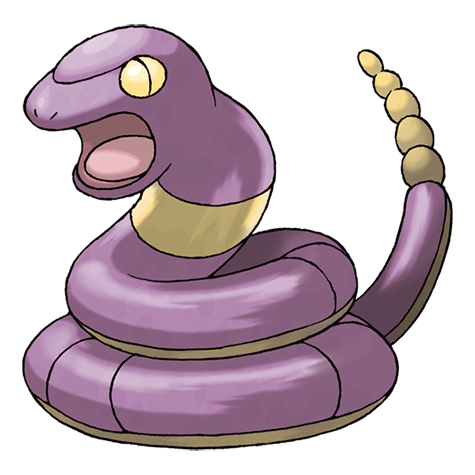
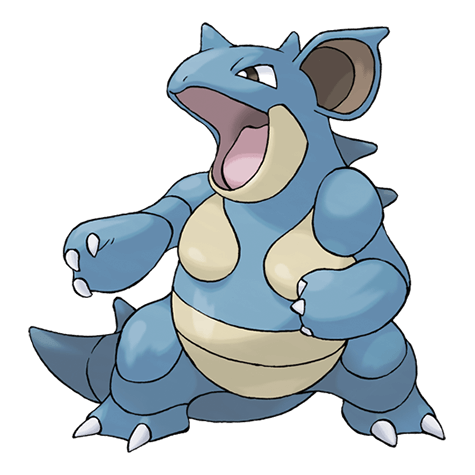
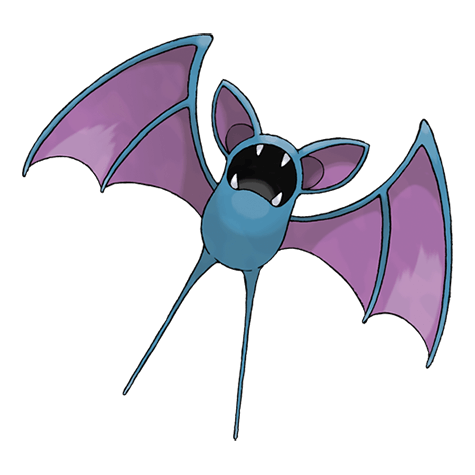
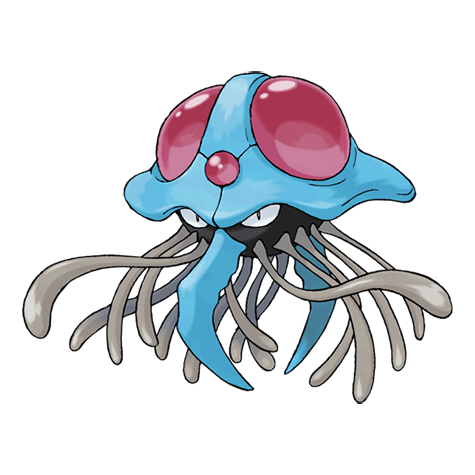
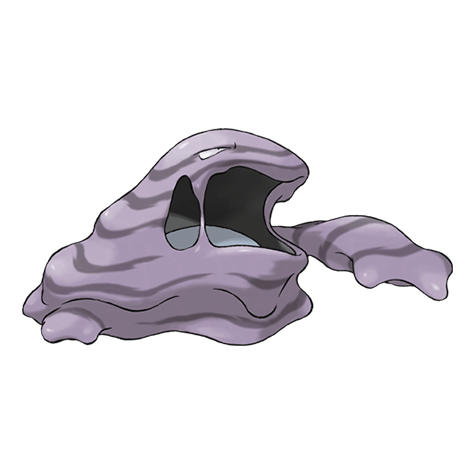
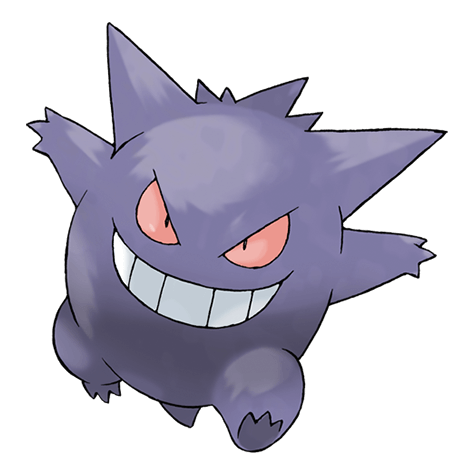
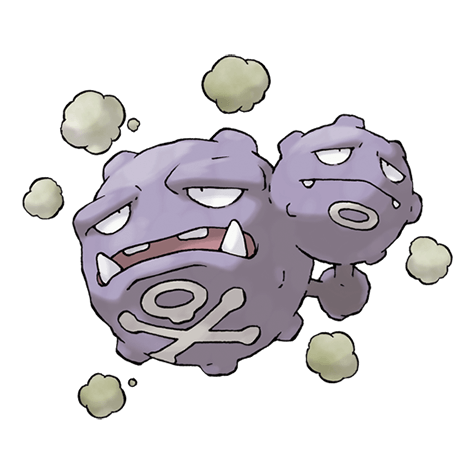
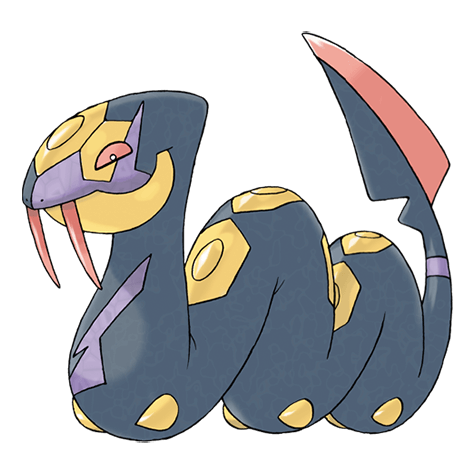
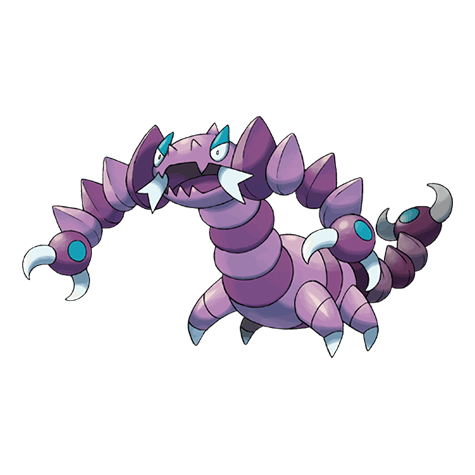
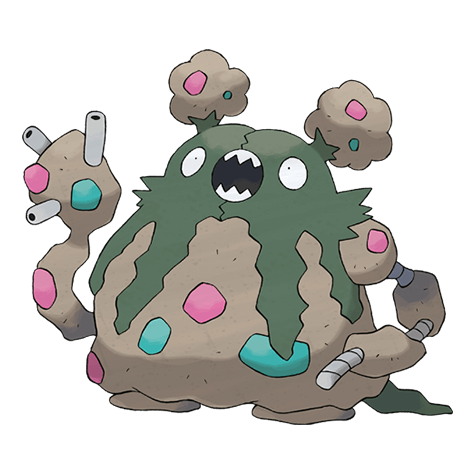
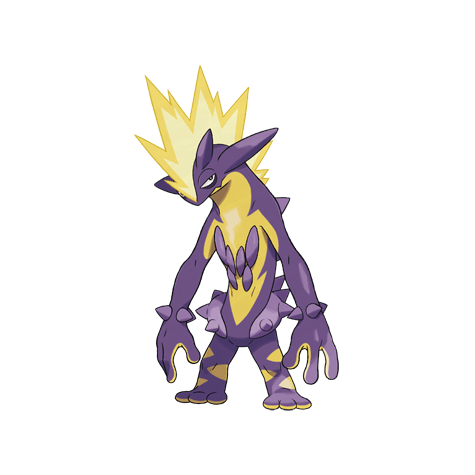
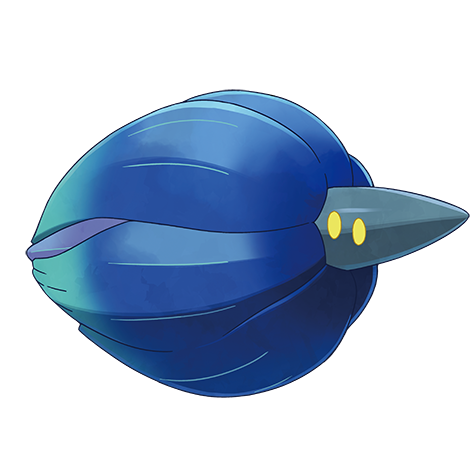
Classify the material first—solid animal, liquid mass, gas cloud, plant, machine, or crystal. That distinction removes more possibilities than searching for a generic toxic feature.
These counts use each Pokémon’s current classification and include both primary and secondary positions.
Poison snakes retain a simple continuous body and prominent head or hood, while dragons more often add limbs, wings, or armor.
Gas forms have several uneven outer lobes or connected heads; solid round bodies keep a cleaner continuous boundary.
Tentacles curve and hang with variable spacing, while defensive spikes radiate more rigidly around a central body.
Use the distribution to choose a smaller era to study next. Counts refer to the generation where each species was introduced.
This checklist includes Pokémon where Poison is either the primary or secondary current type. Alternate forms are not counted as separate species.
The filter is applied automatically, answers work in English, Chinese, Japanese, or romanized Japanese, and every correct guess is saved locally.
Play the Poison-type silhouette quiz Normal type
 Fire type
 Electric type
 Ice type
 Ground type
 Flying type
 Psychic type
 Rock type
 Dragon type
 Steel type
 Fairy type