






Small mammal or evolved form?
Compare leg length, tail complexity, and ear proportions; evolved Normal Pokémon usually broaden or lengthen one of those features.
Current classifications · Generations 1–9
Practice one of the broadest type pools in the quiz, spanning small mammals, birds, bulky quadrupeds, artificial shapes, and multi-character designs. Normal has no single elemental outline, so body plan and signature props matter most.
Play here · 131 Pokémon pool
One focused question at a time. Correct answers join the same browser Pokédex used by the complete game.
Caught here: 0/131
Twelve shapes from this pool
Try to identify these Normal-type Pokémon before opening the focused quiz. Names stay hidden here.
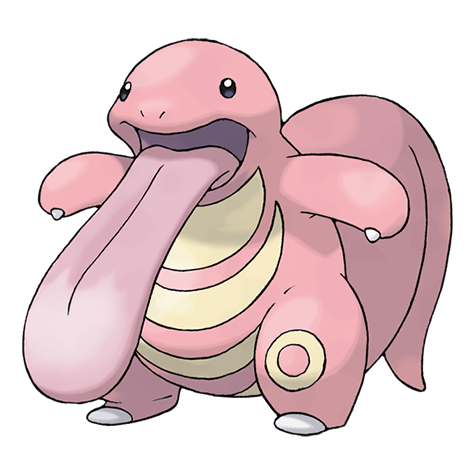
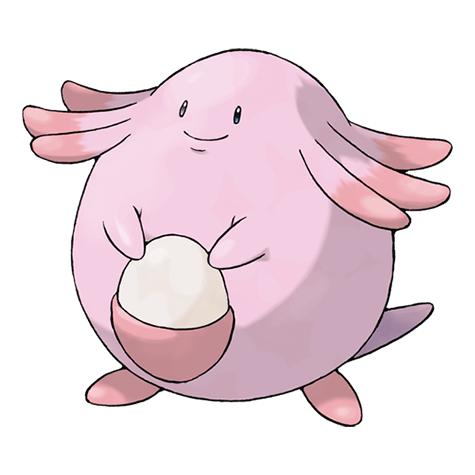
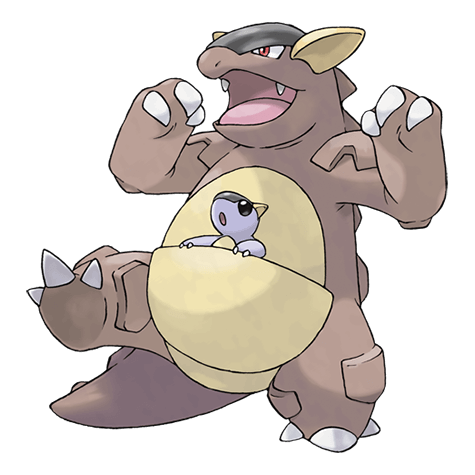
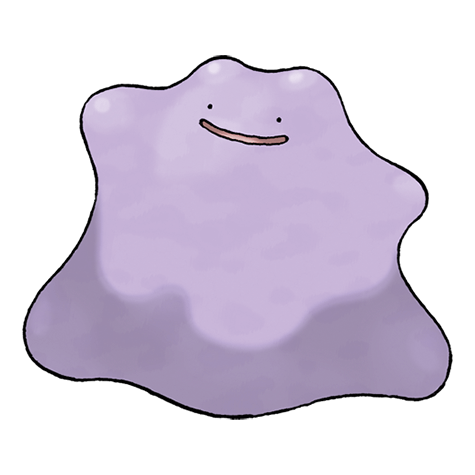
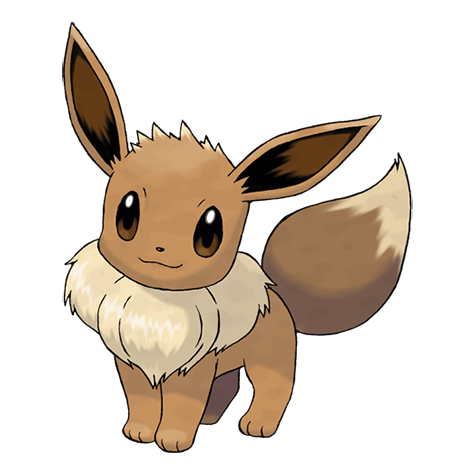
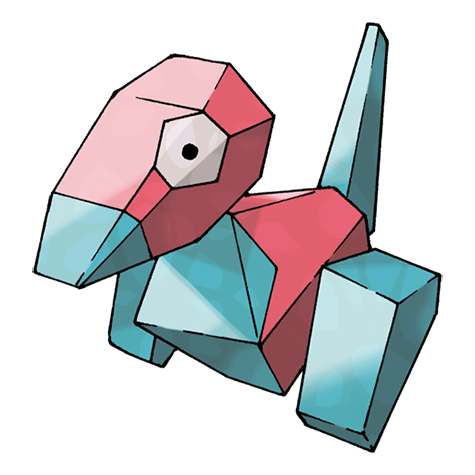
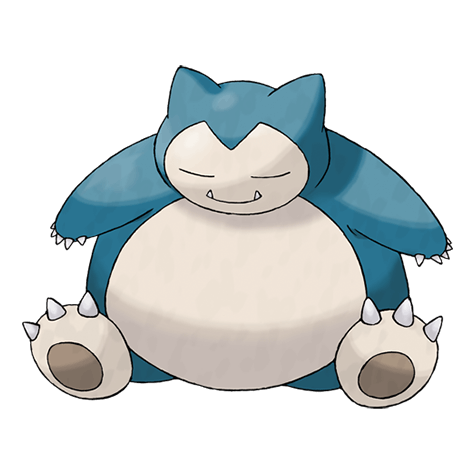
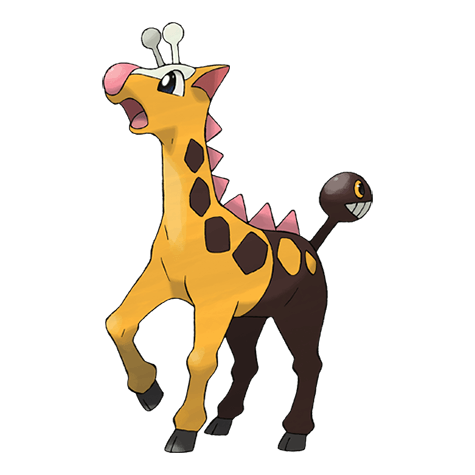

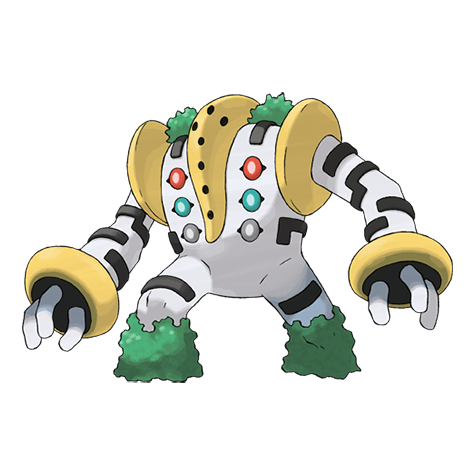
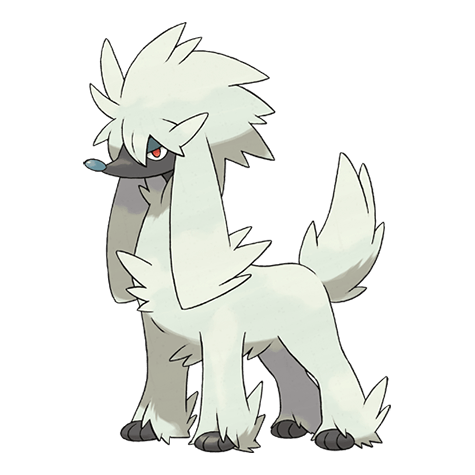
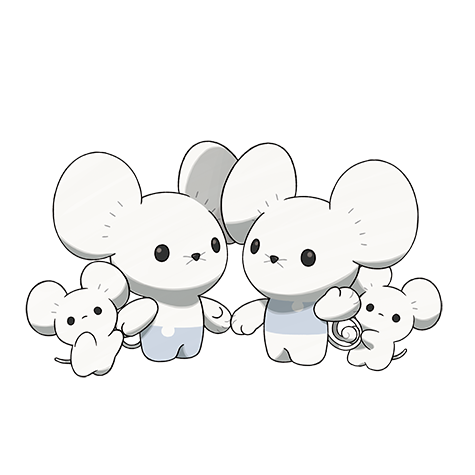
Begin with the broad category—quadruped, upright mammal, bird, artificial object, or grouped figures. Then compare ears, tails, head ornaments, and any prop carried by the Pokémon.
These counts use each Pokémon’s current classification and include both primary and secondary positions.
Compare leg length, tail complexity, and ear proportions; evolved Normal Pokémon usually broaden or lengthen one of those features.
Count distinct heads, feet, and gaps in the outline before treating a clustered silhouette as one large creature.
Smooth curves suggest fur or skin, while polygons, rings, and rigid symmetry point toward constructed Normal designs.
Use the distribution to choose a smaller era to study next. Counts refer to the generation where each species was introduced.
This checklist includes Pokémon where Normal is either the primary or secondary current type. Alternate forms are not counted as separate species.
The filter is applied automatically, answers work in English, Chinese, Japanese, or romanized Japanese, and every correct guess is saved locally.
Play the Normal-type silhouette quiz Fire type
 Water type
 Ice type
 Fighting type
 Poison type
 Ground type
 Bug type
 Rock type
 Ghost type
 Dark type
 Steel type