






Bird or insect?
Birds have one paired wing set attached to a single torso; insects show segmentation, antennae, or more than one wing pair.
Current classifications · Generations 1–9
Practice Flying-type silhouettes ranging from birds, bats, and insects to dragons, balloons, and airborne legendary forms. Wing construction, rather than size, is the fastest way to divide this large pool.
Play here · 109 Pokémon pool
One focused question at a time. Correct answers join the same browser Pokédex used by the complete game.
Caught here: 0/109
Twelve shapes from this pool
Try to identify these Flying-type Pokémon before opening the focused quiz. Names stay hidden here.
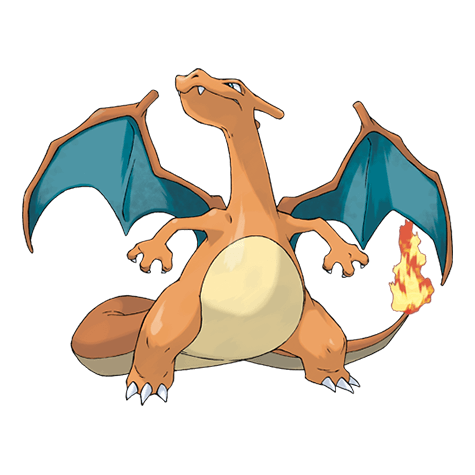
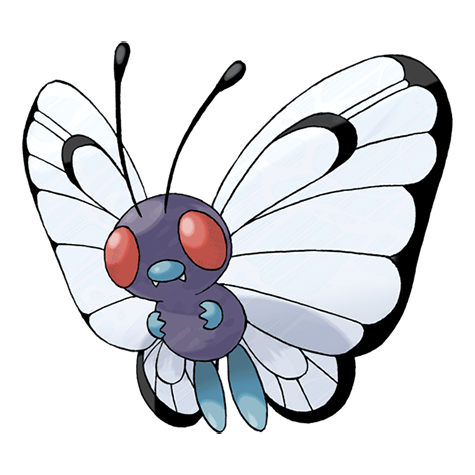
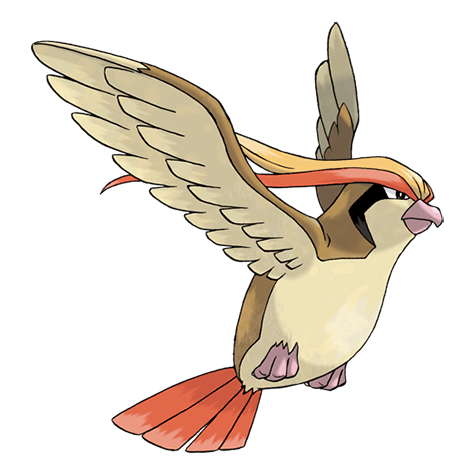
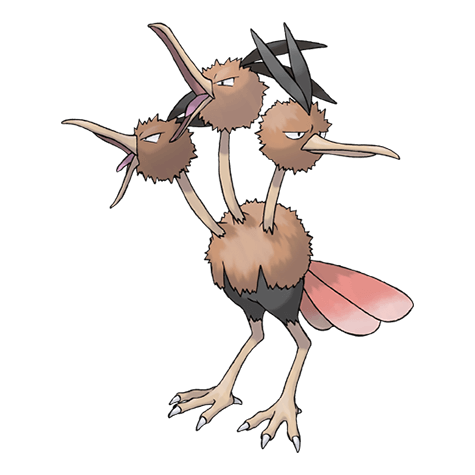
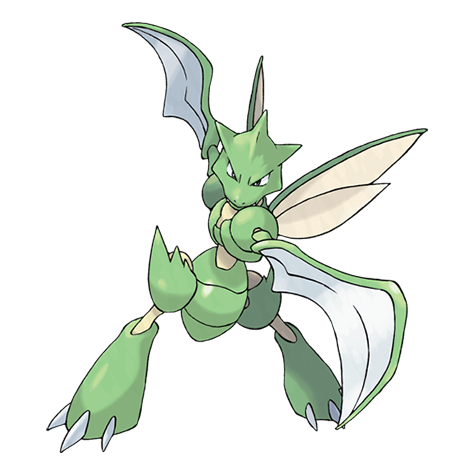
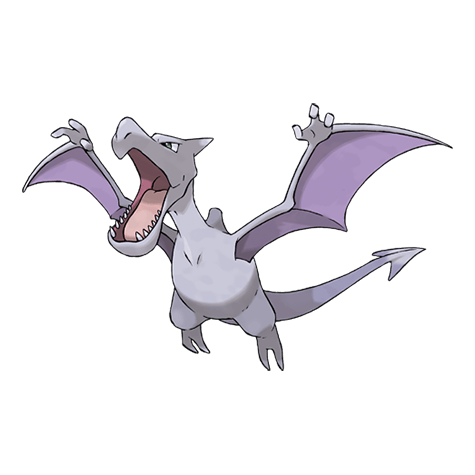
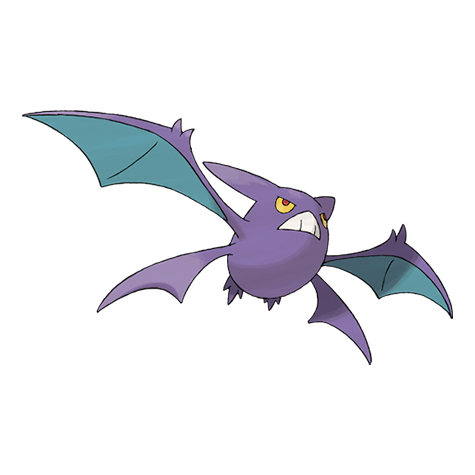
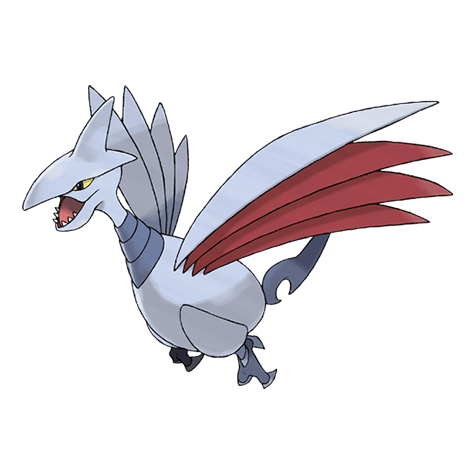
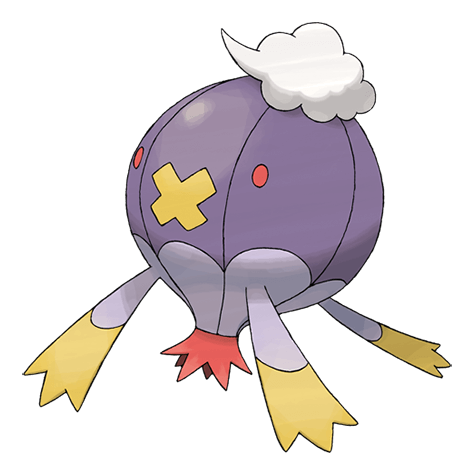

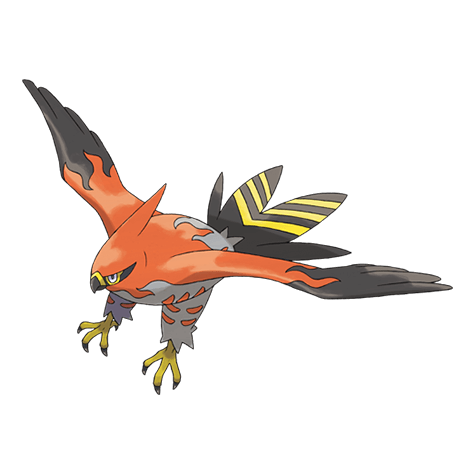
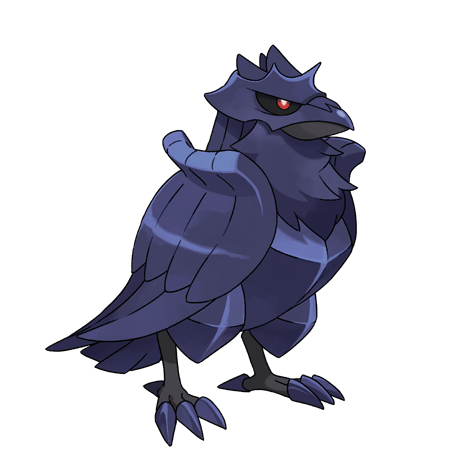
Count wings and locate where they attach. Then compare the beak or snout, tail, feet, and whether the Pokémon is flying, perched, or floating without conventional wings.
These counts use each Pokémon’s current classification and include both primary and secondary positions.
Birds have one paired wing set attached to a single torso; insects show segmentation, antennae, or more than one wing pair.
Bats center the silhouette on oversized membrane wings, while dragons add a longer neck, heavier legs, and a dominant tail.
Search for cloud bases, strings, or suspended limbs when no wing joint connects to the body.
Use the distribution to choose a smaller era to study next. Counts refer to the generation where each species was introduced.
This checklist includes Pokémon where Flying is either the primary or secondary current type. Alternate forms are not counted as separate species.
The filter is applied automatically, answers work in English, Chinese, Japanese, or romanized Japanese, and every correct guess is saved locally.
Play the Flying-type silhouette quiz Electric type
 Grass type
 Ice type
 Fighting type
 Poison type
 Ground type
 Psychic type
 Rock type
 Ghost type
 Steel type
 Fairy type