






Fish or sea serpent?
Compact bodies with a distinct tail fin usually point to fish, while long continuous curves suggest serpents or eels.
Current classifications · Generations 1–9
Practice the largest type pool in this quiz, from compact pond Pokémon to long sea serpents and armored deep-ocean shapes. Water appears in every generation and combines with a wide range of secondary types.
Play here · 154 Pokémon pool
One focused question at a time. Correct answers join the same browser Pokédex used by the complete game.
Caught here: 0/154
Twelve shapes from this pool
Try to identify these Water-type Pokémon before opening the focused quiz. Names stay hidden here.
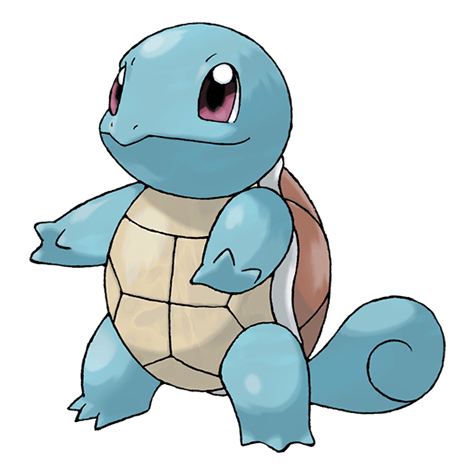
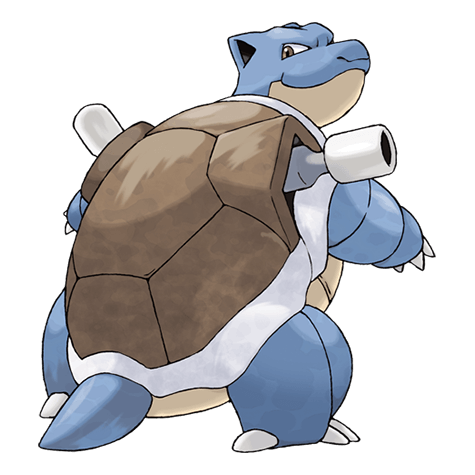

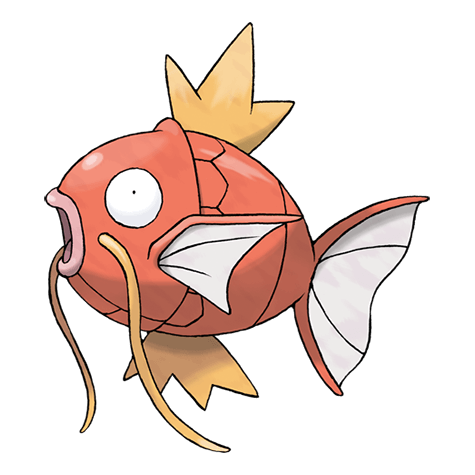
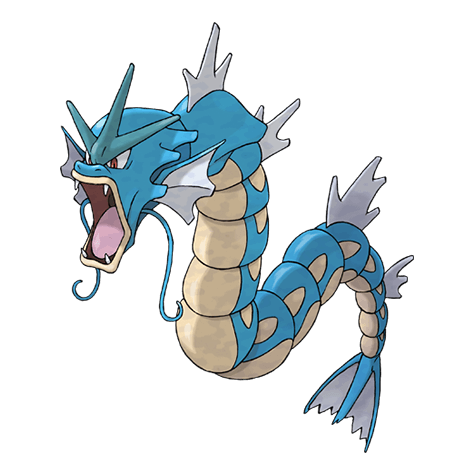
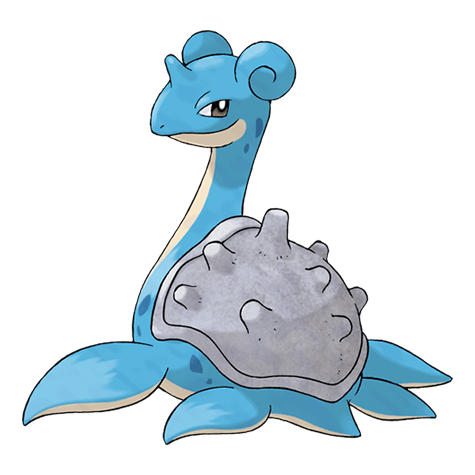
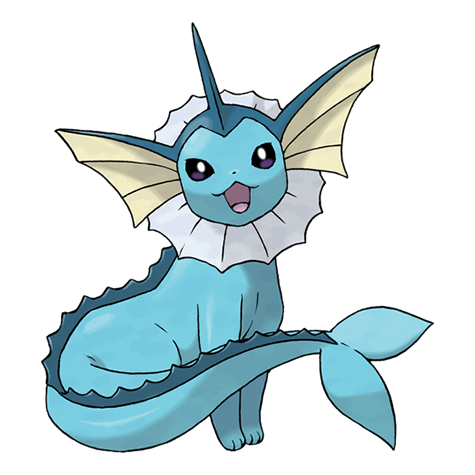
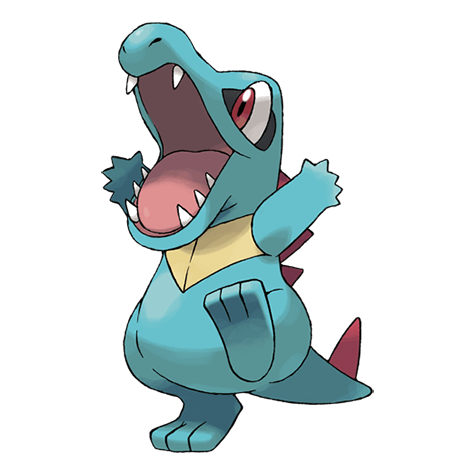
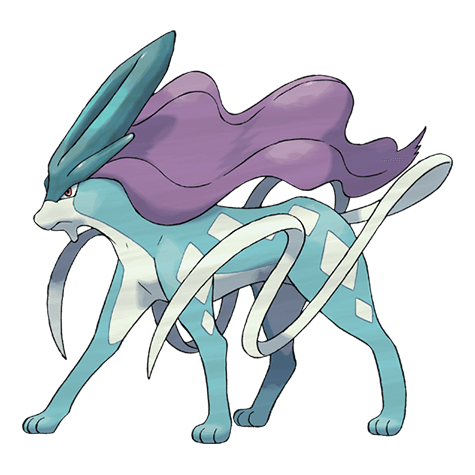
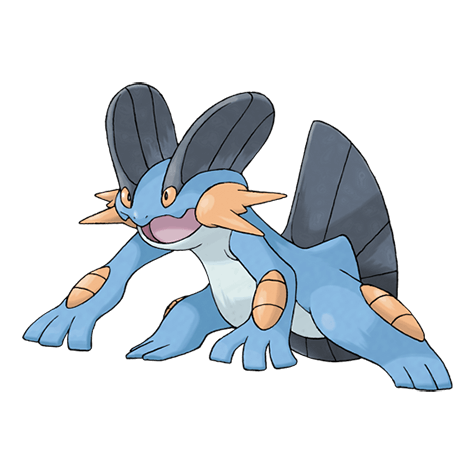
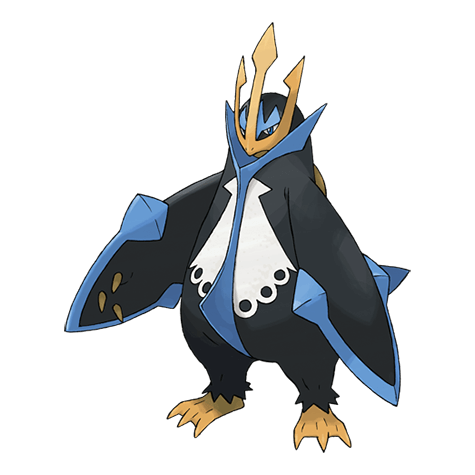
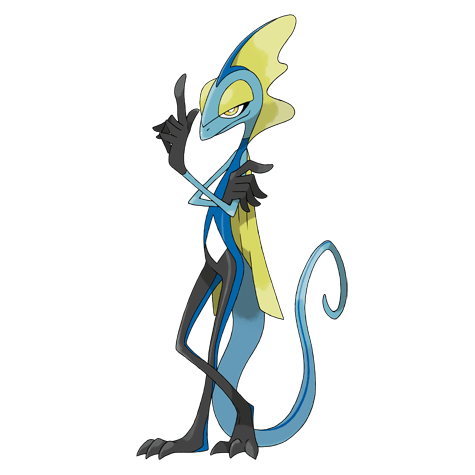
Start with the body plan: fins, shells, flippers, whiskers, and serpentine curves narrow the pool faster than size alone. Then use the generation and any obvious secondary-type features.
These counts use each Pokémon’s current classification and include both primary and secondary positions.
Compact bodies with a distinct tail fin usually point to fish, while long continuous curves suggest serpents or eels.
A shell creates a clean dome or rim; bulky Water mammals tend to have softer curves and visible flippers.
Wings, rocky armor, icy spikes, or plant growth often reveal the other half of a dual-type silhouette.
Use the distribution to choose a smaller era to study next. Counts refer to the generation where each species was introduced.
This checklist includes Pokémon where Water is either the primary or secondary current type. Alternate forms are not counted as separate species.
The filter is applied automatically, answers work in English, Chinese, Japanese, or romanized Japanese, and every correct guess is saved locally.
Play the Water-type silhouette quiz Normal type
 Fire type
 Electric type
 Grass type
 Fighting type
 Bug type
 Ghost type
 Dragon type
 Dark type
 Steel type
 Fairy type