






Flame tail or ordinary tail?
Flame edges are irregular and upward-pointing; fur and feathers tend to form smoother, repeated contours.
Current classifications · Generations 1–9
Train on Fire-type silhouettes spanning starter lines, volcanic creatures, blazing birds, swift quadrupeds, and furnace-like designs. The pool is smaller than Water but visually diverse across all nine generations.
Play here · 81 Pokémon pool
One focused question at a time. Correct answers join the same browser Pokédex used by the complete game.
Caught here: 0/81
Twelve shapes from this pool
Try to identify these Fire-type Pokémon before opening the focused quiz. Names stay hidden here.
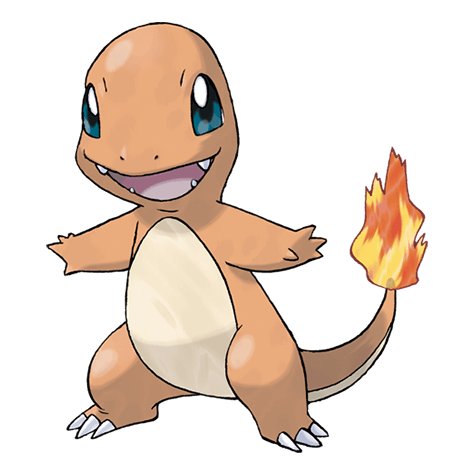
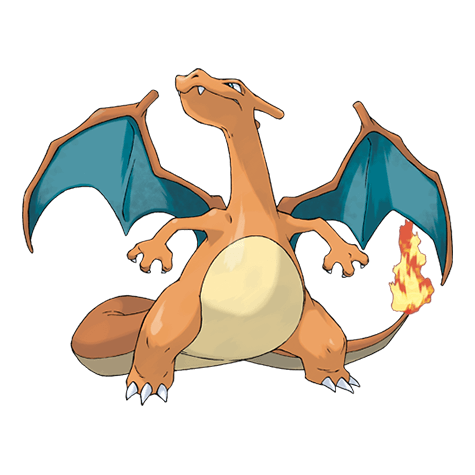
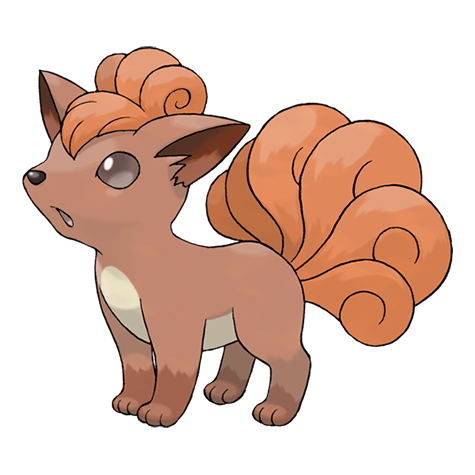
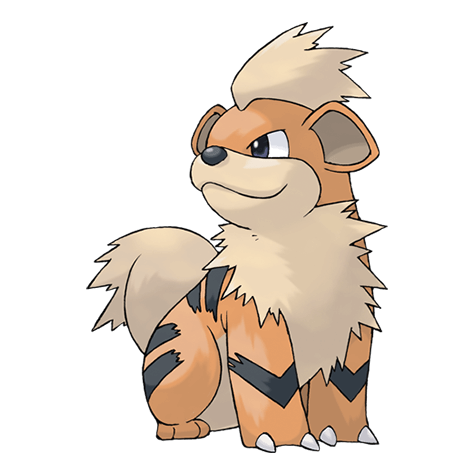
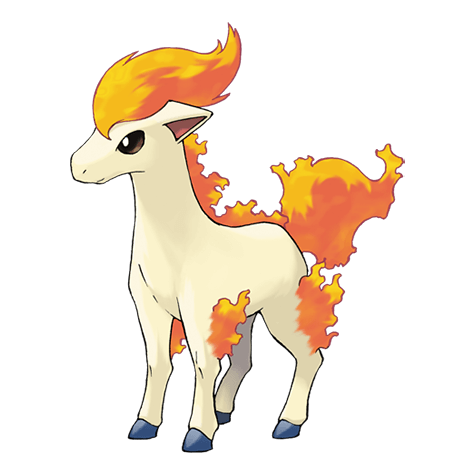
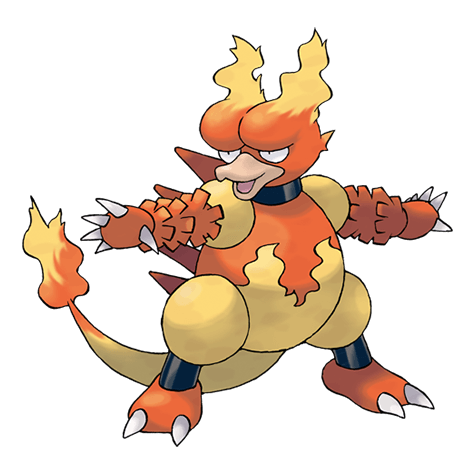
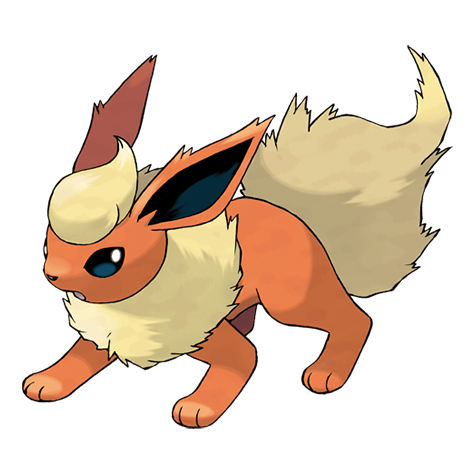
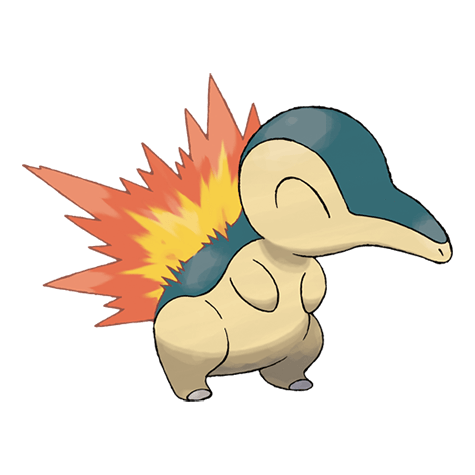
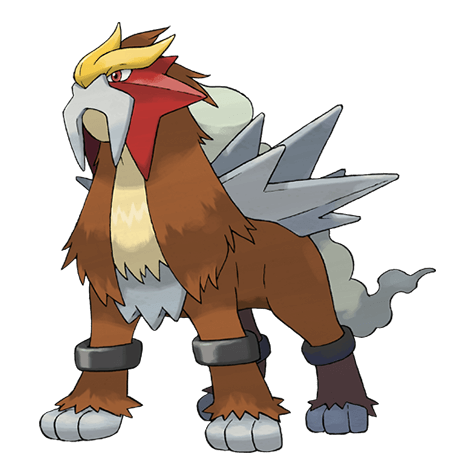
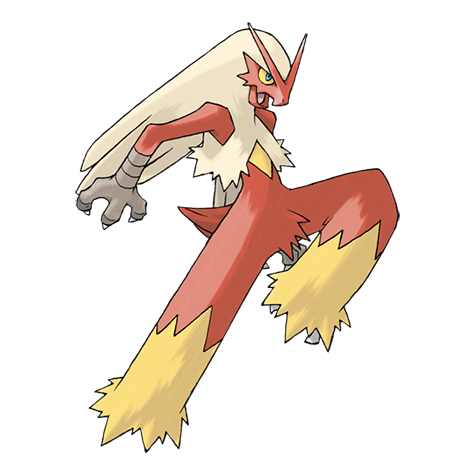
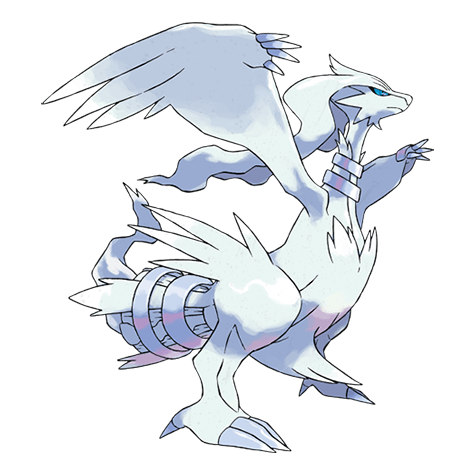
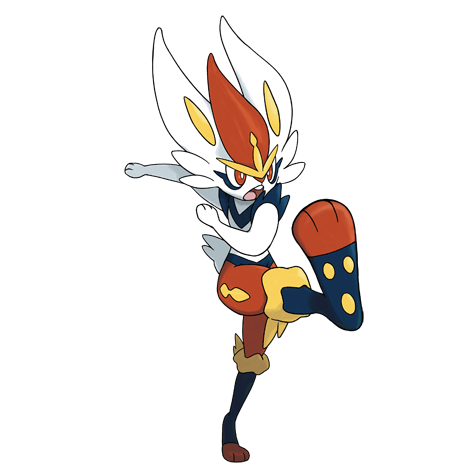
Fire effects become solid black in a silhouette, so treat flames as part of the outline. Tail flames, head plumes, chimneys, and mane shapes are often more reliable than the underlying animal.
These counts use each Pokémon’s current classification and include both primary and secondary positions.
Flame edges are irregular and upward-pointing; fur and feathers tend to form smoother, repeated contours.
Starter evolutions often preserve one facial crest or tail motif as their posture becomes larger and more upright.
Broad wings dominate Flying pairings, while Fighting pairings emphasize long limbs, fists, and balanced stances.
Use the distribution to choose a smaller era to study next. Counts refer to the generation where each species was introduced.
This checklist includes Pokémon where Fire is either the primary or secondary current type. Alternate forms are not counted as separate species.
The filter is applied automatically, answers work in English, Chinese, Japanese, or romanized Japanese, and every correct guess is saved locally.
Play the Fire-type silhouette quiz Normal type
 Water type
 Electric type
 Grass type
 Ice type
 Poison type
 Ground type
 Psychic type
 Rock type
 Steel type
 Fairy type