Train on Electric-type silhouettes ranging from rodents and grazing mammals to magnets, insects, living energy, and legendary dragons. Bolt-shaped features are common, but many dual types contribute the dominant body plan.
Try to identify these Electric-type Pokémon before opening the focused quiz. Names stay hidden here.
Mystery #025
Mystery #026
Mystery #081
Mystery #100
Mystery #125
Mystery #181
Mystery #243
Mystery #405
Mystery #479
Mystery #738
Mystery #894
Mystery #1008
How to read Electric silhouettes
Ignore the missing yellow color and search for electrical geometry: zigzag tails, pointed cheek or ear shapes, plugs, coils, antennae, and circular conductors.
Separate compact mascot-like rodents from feline, canine, and hoofed quadrupeds before comparing tails and ears.
Magnets, bulbs, cables, and near-perfect spheres usually identify mechanical or energy-based Electric Pokémon.
For winged Electric types, decide whether the wings belong to a bird or an insect by checking their attachment and segmentation.
Large spikes and lightning-bolt contours remain useful in silhouette even when glowing markings disappear.
Common dual-type pairings
These counts use each Pokémon’s current classification and include both primary and secondary positions.
Flying · 5Zapdos, Emolga, Thundurus
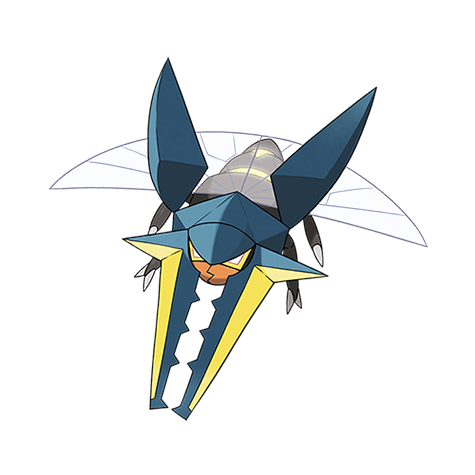
Bug · 4Joltik, Galvantula, Charjabug
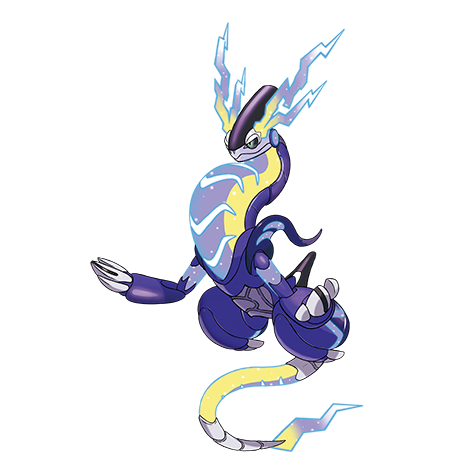
Dragon · 4Zekrom, Dracozolt, Miraidon
Steel · 4Magnemite, Magneton, Magnezone
Fighting · 3Pawmo, Pawmot, Iron Hands
Fairy · 2Dedenne, Tapu Koko
Silhouettes that are easy to confuse
Rodent or larger quadruped?
Rodent silhouettes concentrate detail in ears and tails, while larger Electric beasts have longer legs, manes, or heavier shoulders.
Machine or living energy?
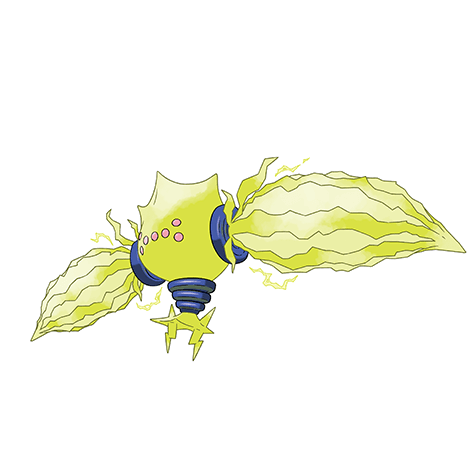
Machines use repeated circles and rigid symmetry; energy beings tend to have broken, radiating, or irregular outer edges.
Winged insect or bird?
Insect pairings show segmented bodies and multiple angular wings, while birds keep a single torso with feathered wing contours.
Electric Pokémon by generation
Use the distribution to choose a smaller era to study next. Counts refer to the generation where each species was introduced.








 Normal type
 Fire type
 Water type
 Grass type
 Ice type
 Poison type
 Ground type
 Psychic type
 Rock type
 Ghost type
 Dark type