Practice Ground-type silhouettes spanning burrowers, armored mammals, mud creatures, desert reptiles, camels, dragons, ancient giants, and living sand. Many Ground Pokémon borrow their strongest outline clues from a secondary type.
Try to identify these Ground-type Pokémon before opening the focused quiz. Names stay hidden here.
Mystery #050
Mystery #076
Mystery #104
Mystery #208
Mystery #232
Mystery #260
Mystery #323
Mystery #330
Mystery #383
Mystery #445
Mystery #623
Mystery #984
How to read Ground silhouettes
Look for contact with the ground: broad feet, digging claws, low posture, heavy armor, or a body emerging from soil. Then account for wings or floating parts in dual-type exceptions.
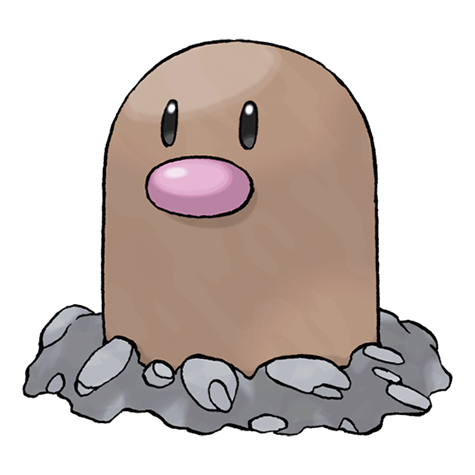
Burrowers may show only a head and small body section, so count what is visible rather than imagining hidden limbs.
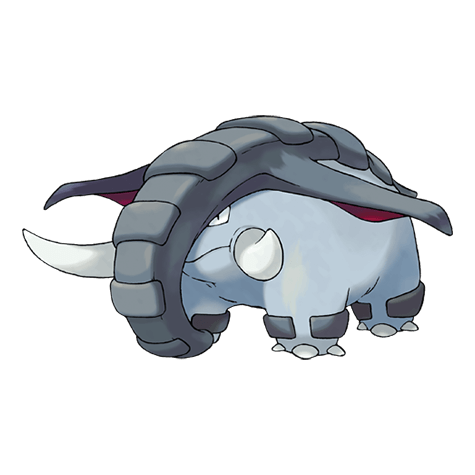
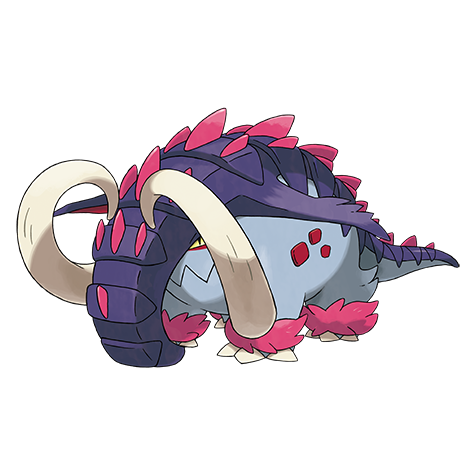
Heavy Ground quadrupeds differ through tusks, horns, dorsal plates, and the placement of armor around the shoulders.
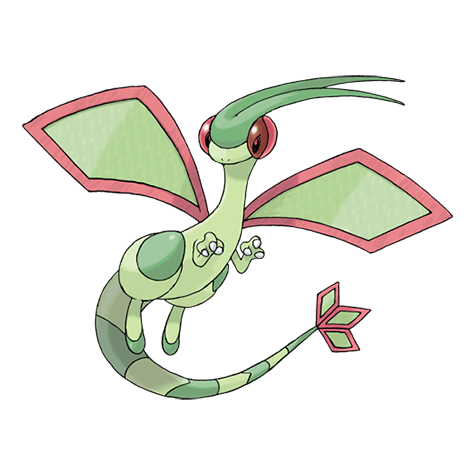
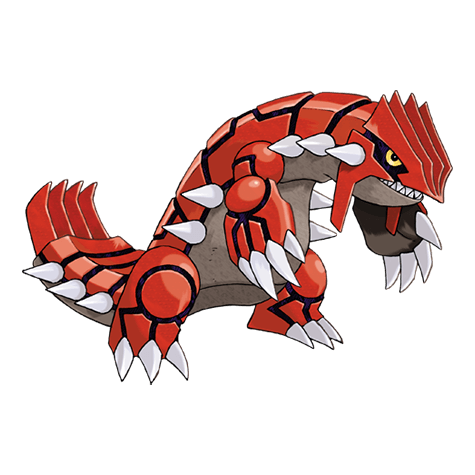
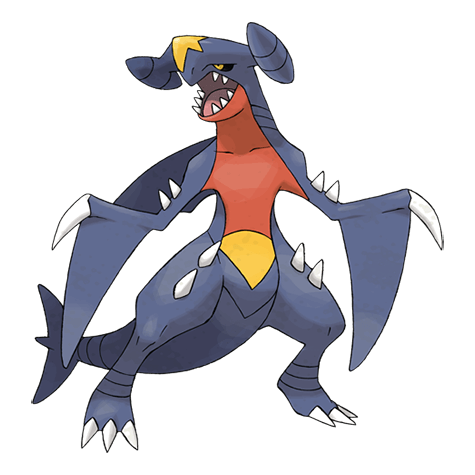
Desert reptiles and dragons can share long tails; compare wing shape, snout length, and whether the torso is upright or low.
Water, Fire, Steel, Ghost, and Fighting pairings add fins, humps, plates, hollow seams, or exaggerated tusks.
Common dual-type pairings
These counts use each Pokémon’s current classification and include both primary and secondary positions.
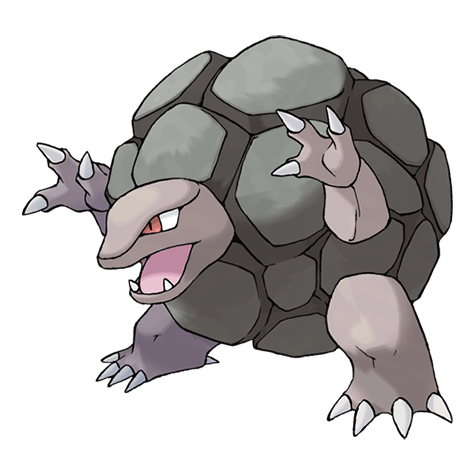
Rock · 9Geodude, Graveler, Golem
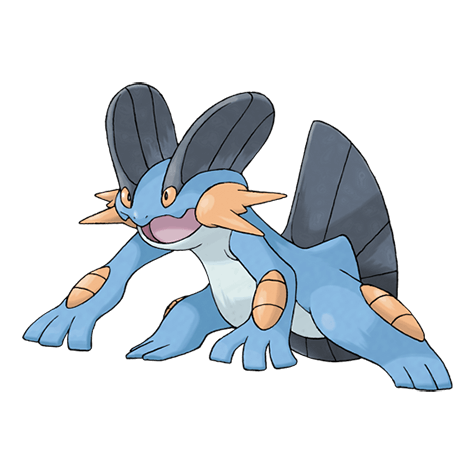
Water · 9Wooper, Quagsire, Marshtomp
Dragon · 6Vibrava, Flygon, Gible
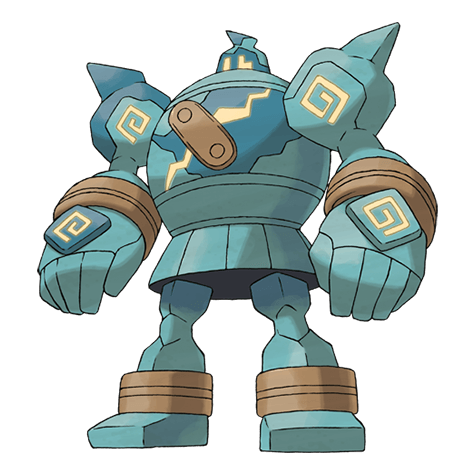
Ghost · 5Golett, Golurk, Sandygast
Dark · 4Sandile, Krokorok, Krookodile
Flying · 3Gligar, Gliscor, Landorus
Silhouettes that are easy to confuse
Ground or Rock silhouette?
Ground includes many smooth-skinned animals and mud forms; Rock designs more consistently expose angular chunks or crystal edges.
Burrower or tiny full body?
A flat base and absent feet suggest a Pokémon emerging from soil rather than a complete compact creature.
Dragon or armored mammal?
Dragons emphasize a long tail, snout, or wings, while mammals concentrate mass around four legs, tusks, and shoulders.
Ground Pokémon by generation
Use the distribution to choose a smaller era to study next. Counts refer to the generation where each species was introduced.







 Normal type
 Fire type
 Electric type
 Grass type
 Ice type
 Fighting type
 Poison type
 Psychic type
 Bug type
 Steel type
 Fairy type